Inside the Dated 2026 OpenClaw Playbook
Six months earlier I couldn't tell you the difference between JSON and JavaScript. I'm a commercial pilot and small-business operator, not the typical audience for "AI agent frameworks."
But I needed more flight hours. And flight hours cost money. So I started building things that make money while I'm at work, and I used OpenClaw to do it.
What I Built During That Period
During the documented 2026 period, my OpenClaw agent ran on a local Mac. That runtime is now retired. The stack then handled:
- Recurring AI workflows. Morning checks, project audits, publishing tasks, website updates, and operator alerts.
- Shipped-product support. KDP workbooks, Gumroad products, app status checks, copy updates, and launch assets.
- Prediction-market research. The legacy Kalshi weather bot went live, got humbled, and its hypotheses were closed on August 27, 2026 after later evidence failed. Legacy collectors are paused and live trading is off; separate newer research does not reopen that experiment.
- Boring plumbing. Backups, logs, cron checks, repo hygiene, and watchdogs.
- Plain-English execution. Requests became file edits, checks, and operator reports.
None of this required me to become a developer first. I still had to make judgment calls, review output, and kill bad ideas. The reusable value is the operating method, not the retired runtime.
The Mistakes That Cost Me Money
The playbook isn't a manual. It's a case study with every disaster included.
Like the night I accidentally spawned too many high-end sub-agents and burned through more API credit than I meant to. Or the week I routed too much automation through one provider and learned that rate limits do not care about my little empire.
Or the Kalshi bot that looked great in paper trading, then proved the live gate needed to be harsher. Or the app ideas I should have killed earlier. Those are documented too, with the exact moment the useful lesson showed up wearing steel-toed boots.
The playbook covers what I wish someone had told me before I started: how to structure your agent's personality, set up cron jobs that do not eat your budget, delegate to coding agents without losing control, keep secrets out of public configs, and decide which automations deserve to exist.
Who This Is For
You do not need to be a pilot. This dated field guide is for readers who want examples of context, recurring work, verification, and safety gates. Current tools, interfaces, commands, and costs must be checked independently.
The paid download includes the full PDF plus a Starter Kit ZIP built from real use: editable starter templates, heartbeat guidance, a security checklist, a cron naming guide, and ready-to-customize cron config examples. Not screenshots of menus. Not theory.
Inside the Playbook
Here are three real pages from the PDF so you can see what you're actually buying: cover, table of contents, and an interior page from the security chapter with concrete config examples.
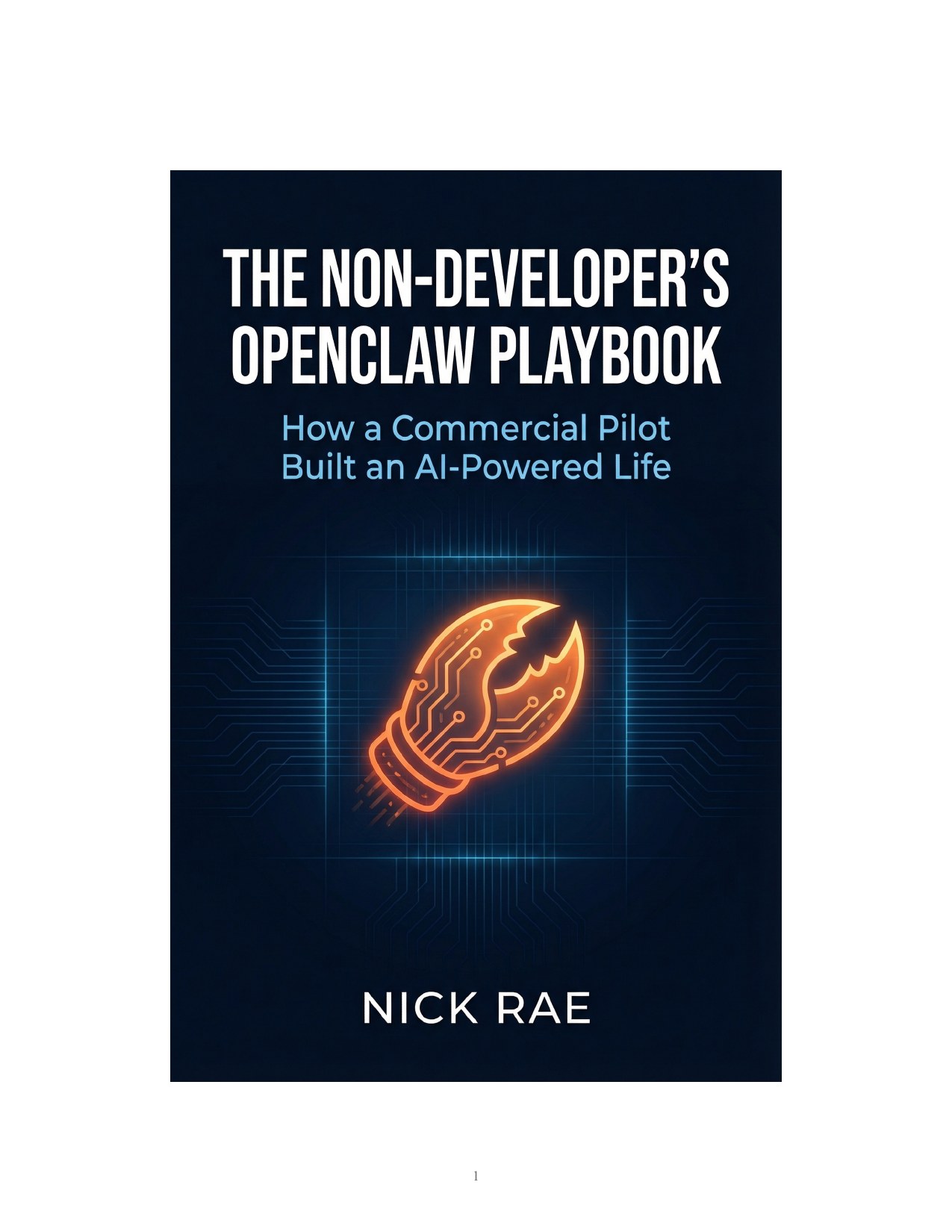
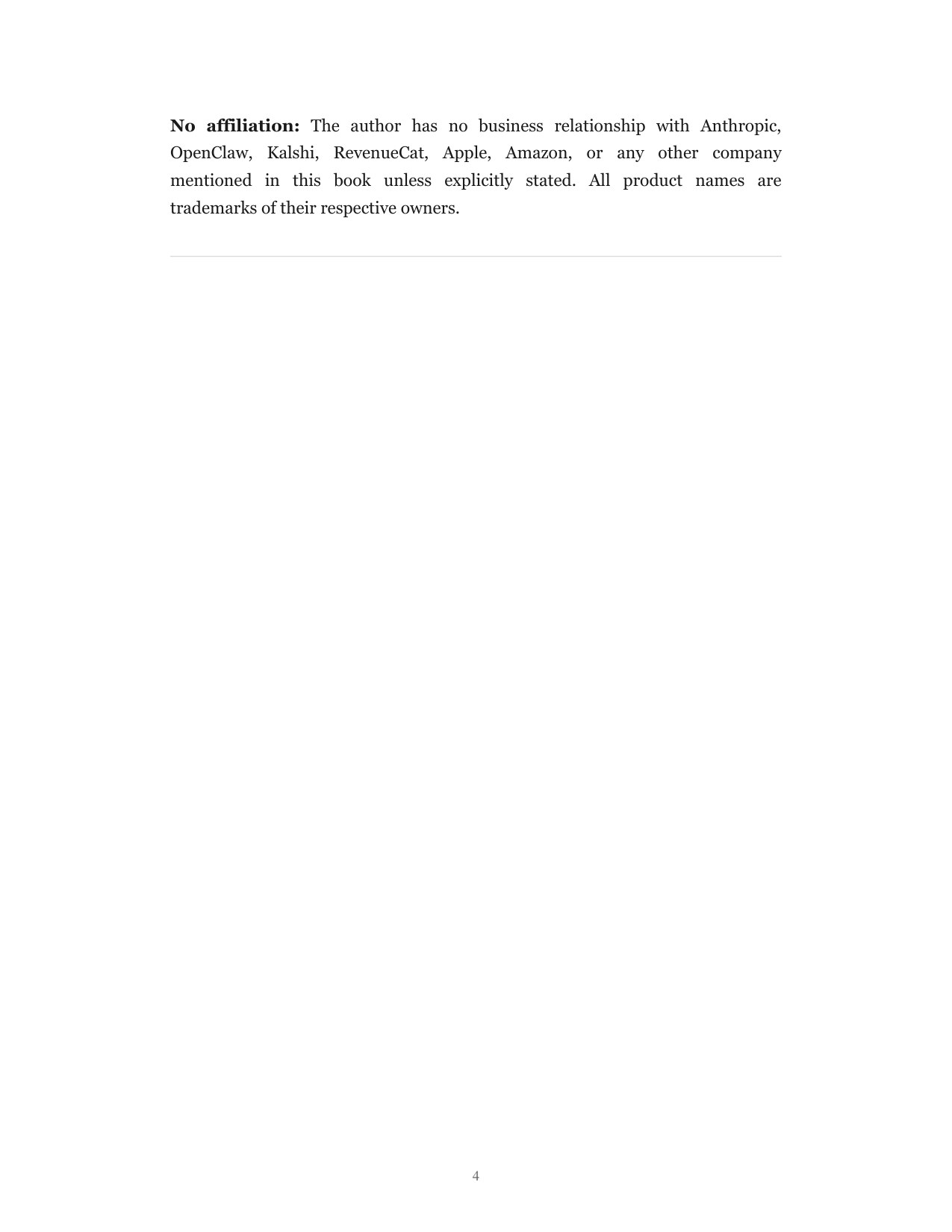
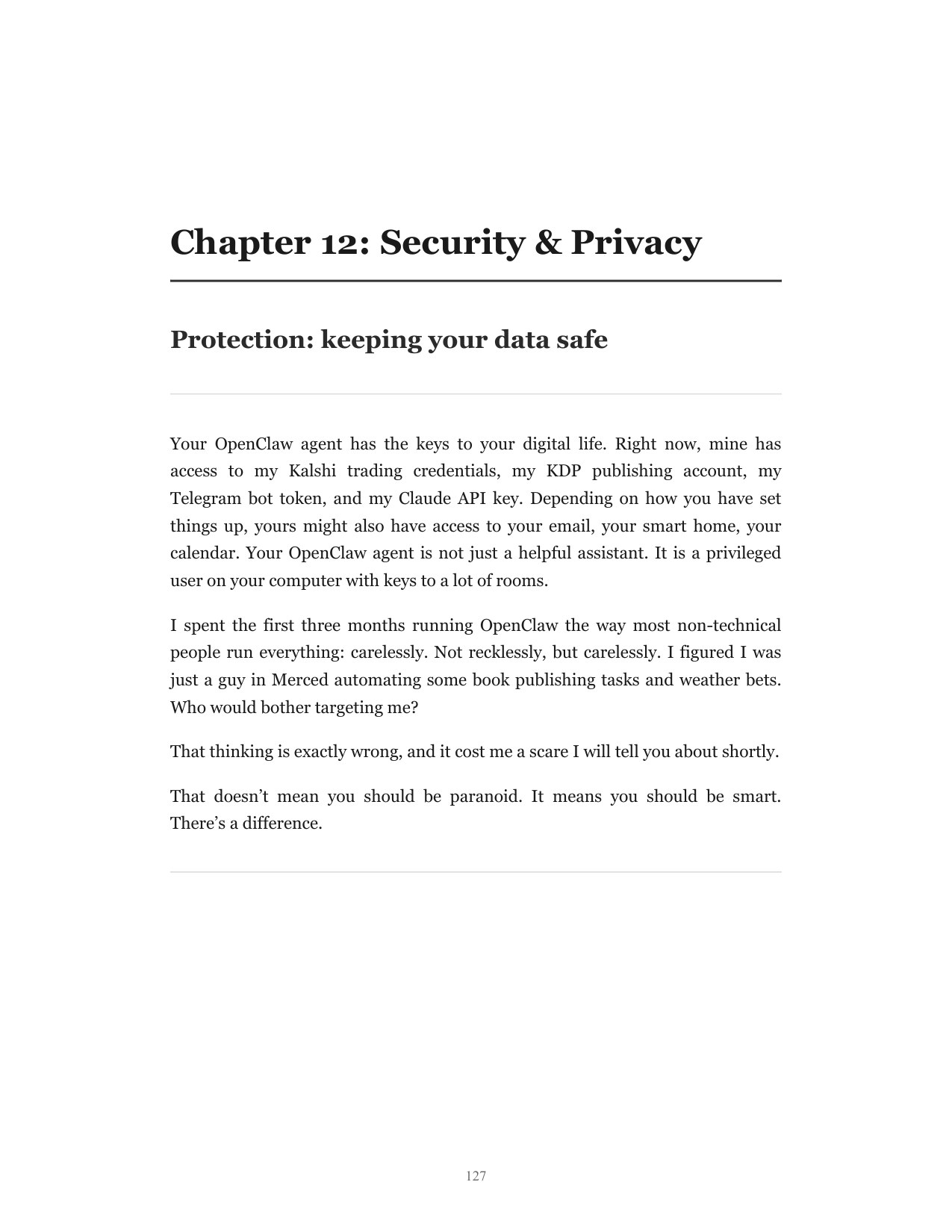
Start with the 16-page free sample, or get the full PDF + Starter Kit ZIP. Use code FIRSTFLIGHT for 30% off.
The Bigger Picture
This product came from the OpenClaw operating period documented in 2026. That runtime is now retired. The playbook remains available as a dated background product, while verified KDP aviation royalties are the primary revenue line on Flight Funded. Paper-market results and unverified app demand are not counted as funding.
I need 106.9 more hours to reach the 500-hour planning threshold. It is not a universal hiring minimum. At roughly $200 per hour, that is a real funding problem, not a motivational quote.
If this page was useful, these are the next three pages worth your time.
New here? Start at the homepage or browse the full blog archive.